
publié le jeudi 22 octobre 2026
par Jasmine Morin dans Blogue
Questionnaire envoyé aux candidats pour l’élection municipale
Dans le cadre de sa campagne Votons pour les Arts!, le Regroupement des organismes culturels de Sudbury (ROCS) a acheminé un questionnaire bilingue à toutes les candidats à la mairie et dans les 12 quartiers du Grand Sudbury.
En date du 20 octobre, nous avons reçu 6 réponses des candidats suivants :
● Vincent Bolt, Quartier/Ward 4
● Natalie Tessier, Quartier/Ward 8
● Suzanne Seiling, Quartier/Ward 10
● Paul Stopciati, Quartier/Ward 10
● Derek Young, Quartier/Ward 10
● Jeff MacIntyre, Quartier/Ward 12
Leurs réponses ont été reproduites ici verbatim.
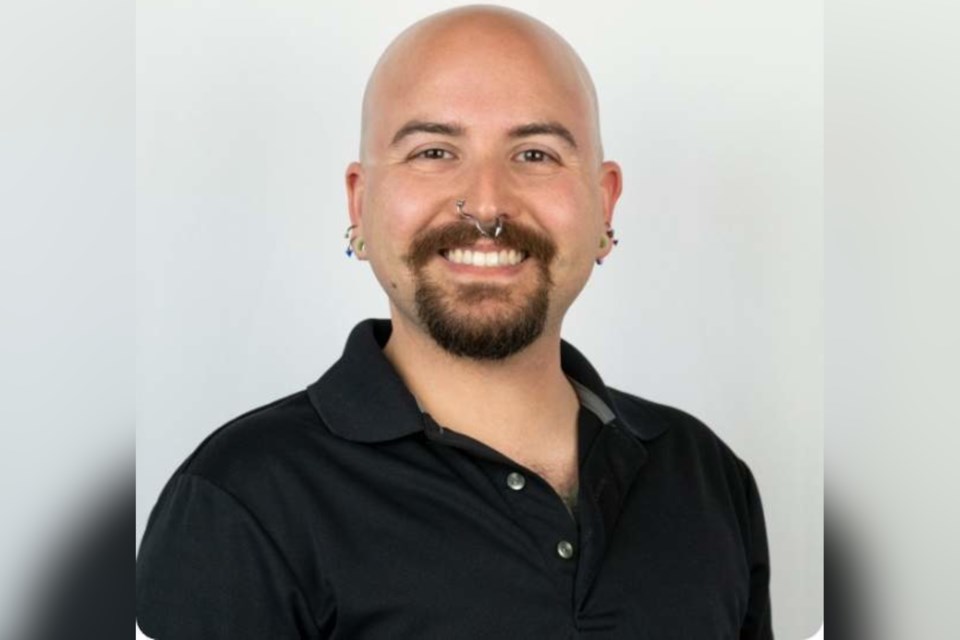
Question 1: On a scale of 1 to 5 (1 being “not at all” and 5 being “absolutely”), to what extent do you believe arts and culture are important for the future of Greater Sudbury?
5, absolutely
Question 2: Have you ever been or are you currently a board member of an artistic or cultural organization? If so, which one(s)? How did this experience affect you?
If you are including queer culture as culture I have been on the boards for Fierte Sudbury Pride, TG Innerselves, and SQUAD. My first board experience was on the Pride board as a teenager and I have been on various boards for the past 20 years as a result. It has opened up doors for me professionally from the connections I have made. It has also given me a sense of community, belonging, and a sense of giving back to my community.
Question 3: Which Sudbury arts or cultural experience has particularly affected you? Why?
It all started in my early childhood going to the Italian festival and Calabrian club events with my Nona and Nono. I took Italian lessons from JK to grade 6, where we not only learned the language, but also about Italian culture. These experiences allowed me to connect with other Italian immigrant families in the city.
I have always been interested in the arts and started playing guitar at 10 years old. When I was 12 or 13 I had my very first paid performance where I made a whopping $5 performing at the Art Council Space (somewhere around 2001). I auditioned for the performing arts program at Sudbury Secondary where I was a guitar major with a minor in visual arts. I played in the school’s guitar ensemble as well as did set painting for the school plays.
I have always been a writer and visual artist and art work that I see in the city cafes, restaurants, and public spaces has been an inspiration to me my entire life. I have had art displays of my own in town, but like my name sake Vincent Van Gogh have only sold one painting in my lifetime lol. But art is something I do out of love and not for the money. I completed my first university undergrad in English literature and I am currently editing my first book that I completed writing last year.
I continue to be a devoted patron of the arts. I continue to support different art groups like Indie Cinema, TNO, and Yes Theatre. My life has been deeply enriched by the access to arts an culture in this city, and I cannot survive in a city without such a prominent availability of artistic events.
Question 4: Which benefits of arts and culture are most important to you? Why?
On a personal note, getting into the performing arts program at Sudbury Secondary literally saved my life. Being able to leave a school that crushed any form of creative spark, and critical thinking to one that allowed me to flourish was life saving. I would not be here without the Sudbury arts community. Art isn’t only about the beautiful murals and an evening out for entertainment, artists need to create art as much as we need to breathe.
Most of my friends are people I have met through the arts community. It is to the point where everyone knows during a film festival exactly where to find me at Indie Cinema (I have a favourite seat). The social connection has been incredibly beneficial.
Question 5: What is your vision for the future of arts and culture in Sudbury?
I envision a future where artsy and cultural groups in Sudbury continue to flourish, and our beloved festivals like Pride week, Cinefest, Northern Lights Festival, Up Here, and so many more continue to be annual events that generations of people in Sudbury can look forward to. I see potential for growth and want to support that in the years to come if I’m elected to city council.
Question 6: In 2026, the Sudbury Arts and Culture Grant Program and municipal operating support grants to certain organizations totaled just over one million dollars (0.12% of the City of Greater Sudbury’s total spending for the year). Do you think municipal funding for Sudbury arts and culture should remain stable, increase or decrease over the next five years? Why?
I would like to see an increase of funding to the arts if possible. It saddens me to hear about NLFB’s current financial struggles, as well as those faced by other groups like Indie Cinema. These are staples of our community. Funding to the arts is not only worth it for the social good, but there are even financial benefits. People travel to Sudbury every year for these festivals which means money being spent on hotels and restaurant food in the city. When people go to these festivals they support local businesses and get so see what is great about Sudbury.
Question 7: If you are elected, do you pledge to support and vote in favour of increased municipal funding for arts and culture throughout your term?
YES!
Question 8: In Sudbury and across Canada, participation in cultural activities is often dependent on a person’s or a family’s ability to pay for tickets. What could the City of Greater Sudbury do to help address this issue?
There could be free or discounted passes for people who cannot afford to attend otherwise. The libraries have free passes for provincial parks, why not for festivals? In addition, offering free tickets to volunteers makes it more accessible. In my 20s when I didn’t have money for festival tickets I often volunteered and received passes as compensation. There can be youth and family discounts. I has season subscriptions for the Canadian Opera Company for several years, and the COC has a discount rate for members under the age of 30.
Question 9: Sudbury residents benefit from the talent and hard work of hundreds of artists and cultural workers. What should the city do to strengthen Sudbury’s cultural workforce?
I see getting more people engaged in arts and culture from a young age is a starting point. If children are involved as I was it plants the seed for lifelong passions for the arts. Having payed jobs and grants for artists allows people to be able to continue creating art and contributing to the arts community. For instance, murals get tagged
and vandalized, I would love to see someone on staff who can fix murals. Tags and graffiti that are left on encourages more people to do it and then the mural is ruined. The city can hire local arts promoters for events, and activities in the arts.
Question 10: Sudbury has a number of vibrant cultural spaces including Place des arts, Galerie du Nouvel-Ontario and Yes Theatre. What should the City of Greater Sudbury do to better support these cultural spaces and to support access to the arts for everyone?
I would like to see grants available for the city’s cultural spaces especially if they face tough financial times. I have been a member of Indie Cinema from the very beginning and there have been some close calls due to not having enough funding. Any loss of an arts space is a significant loss to our city. I think subsidizing tickets to make them more affordable for people gets more people in the door.
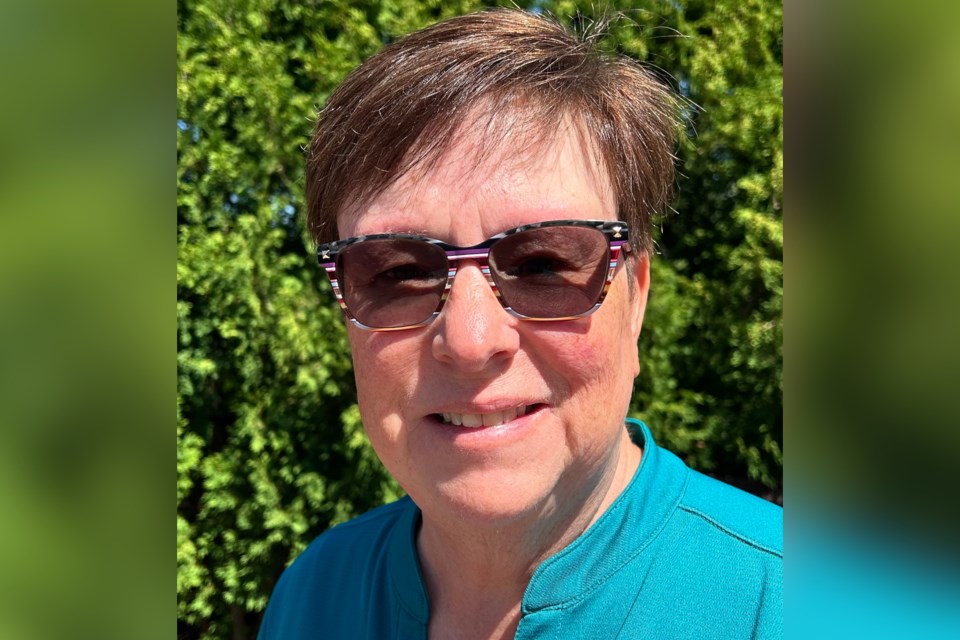
Question 1 : Sur une échelle de 1 à 5, (1 étant « pas du tout » et 5 était « absolument ») à quel point êtes-vous d’avis que les arts et la culture sont importants pour l’avenir du Grand Sudbury?
Ma réponse : 5
Question 2 : Avez-vous déjà été ou êtes-vous actuellement membre du conseil d’administration d’un organisme artistique et culturel? Si oui, le.s.quels? Quels souvenirs gardez-vous de cette expérience?
Membre du conseil d’administration? Non. Pendant nos 25 ans à Chapleau, mon époux Luc et moi avons appuyé le Centre culturel Louis Hémon en achetant notre carte de membre fidèlement à chaque année, en plus d’assister à plusieurs spectacles au fil des années. Nous avons aussi appuyé le CCLH de diverses façons (préparation de repas pour célébrer des fêtes comme le 20ième anniversaire du Bal des chasseurs, autres activités bénévoles lors des spectacles, présidente d’élection lors de l’AGA, etc.).
Question 3 : Quelle expérience artistique ou culturelle à Sudbury vous a particulièrement marquée? Pourquoi?
J’ai fait partie de l’orchestre symphonique des jeunes de Sudbury lors de ma jeunesse et ceci m’a marquée. J’ai joué le violoncelle. Suite à notre retour à Sudbury, nous avons acheté nos abonnements pour la saison pour appuyer l’orchestre symphonique. Nous avons déjà assisté aux spectacles du TNO lorsque le TNO était situé au Collège Boréal, et depuis notre retour, nous avons assisté à deux présentations à la Place des Arts du Grand Sudbury.
Question 4 : Quelles retombées des arts et de la culture vous semblent les plus importantes? Pourquoi?
Une ville sans arts et culture est une ville sans âme. Les arts et la culture favorisent une ouverture d’esprit, contribuent à la pensée critique, favorisent le développement d’une communauté à raison du rassemblement, développent une identité et un sens d’appartenance et contribuent au bien-être de la personne. Il ne faut pas aussi les retombées économiques et touristiques.
Question 5 : Quelle est votre vision d’avenir des arts et de la culture à Sudbury?
Autant que j’aimerais avoir une vision d’avenir des arts et de la culture à Sudbury, je suis très consciente des pressions fiscales et l’impact de ces pressions pour l’avenir. Nous n’avons qu’à étudier ce qui ce passe avec la Northern Lights Festival Boréal pour voir les enjeux d’un manque de bailleurs de fonds et de l’impact d’un manque d’augmentation au budget opérationnel du Conseil des Arts de l’Ontario depuis 2009. Ça, et le coût de la vie qui augmente font que les artistes et les organismes éprouvent des défis financiers.
Question 6 : En 2026, le Programme des arts et de la culture et les subventions municipales en appui aux opérations de certains organismes culturels totalisent un peu plus d’un million de dollars (0.12% des dépenses totales de la ville du Grand Sudbury pour l’année). Êtes-vous d’avis que les investissements municipaux en appui aux arts et à la culture à Sudbury devraient rester stables, augmenter ou diminuer d’ici cinq ans? Pourquoi?
La ville fait face à ses pressions fiscales, ainsi que la pression des résidents qui sont frustrés avec les impôts fonciers qui augmentent. Dans le but d’essayer de plaire à tous, je crois que les investissements municipaux en appui aux arts et à la culture à Sudbury devraient augmenter.
Question 7 : Si vous êtes élu, vous engagez-vous à appuyer les démarches et à voter en faveur d’un investissement municipal accru en appui aux arts et à la culture au cours de votre mandat?
Si je suis élue, je m’engage à appuyer les démarches et à voter en faveur d’un investissement municipal accru, tout en démontrant que c’est un investissement bénéfique pour la ville car la Chambre de Commerce Canadienne a démontré que le secteur des arts contribuent de façon positive considérable aux activités économiques, qui bénéficie une ville. Malheureusement, les gens ne remarquent pas les enjeux positifs. Il faudrait une campagne de sensibilisation pour informer les résidents.
Question 8 : À Sudbury et à travers le Canada, la participation aux activités culturelles continue de dépendre de la capacité qu’ont les gens et les familles de se payer des billets. Que pourrait faire la ville du Grand Sudbury pour contrer cette tendance lourde?
Ce n’est pas une question facile à répondre pour moi. À Chapleau, le Centre culturel Louis Hémon avait des forfaits réduits pour les élèves. Et si nous avions un programme de billets à forfaits réduits pour les ados?
Question 9 : Les Sudburois bénéficient du talent et de l’engagement de centaines d’artistes et travailleurs culturels. Que devrait faire la ville afin de renforcer la main-d’oeuvre culturelle à Sudbury?
La ville devrait, en partenariat avec la Chambre de commerce du Grand Sudbury, encourager les entreprises de productions artistiques à s’établir ici au Grand Sudbury. S’il y a tournages et productions, ce sont les Sudburois qui seront gagnants.
Question 10 : Sudbury compte plusieurs espaces culturels dynamiques, dont la Place des arts, la Galerie du Nouvel-Ontario et Yes Theatre. Que devrait faire la ville du Grand Sudbury afin de mieux soutenir ces lieux culturels et de favoriser l’accès aux expériences culturelles pour tous et toutes?
En ce moment, le manque de stationnement près des lieux est un facteur, surtout à raison de la construction. S’il y avait moyen de faciliter le stationnement, ça aiderait.

Question 1: On a scale of 1 to 5 (1 being “not at all” and 5 being “absolutely”), to what extent do you believe arts and culture are important for the future of Greater Sudbury?
4
Question 2: Have you ever been or are you currently a board member of an artistic or cultural organization? If so, which one(s)? How did this experience affect you?
No, I have not. However, I welcome the opportunity to participate in the future.
Question 3: Which Sudbury arts or cultural experience has particularly affected you? Why?
The Up Here festival has particularly affected me because it demonstrates how art can become part of the everyday fabric of our city. I love the public nature of the murals. I love that you don’t need to enter a gallery or buy a ticket to experience them. They bring creativity directly into our streets and neighbourhoods and show what is possible when we look at ordinary buildings and structures as opportunities for art and placemaking.
I also appreciate the permanence of many of the murals. They create a legacy beyond the festival itself, transforming otherwise ordinary spaces into landmarks that contribute to Sudbury’s identity and sense of place. To me, Up Here is a great example of how arts and culture can support a vibrant downtown, strengthen community pride, and make our public spaces more interesting, welcoming and distinctly Sudbury.
Question 4: Which benefits of arts and culture are most important to you? Why?
For me, community connection and belonging, quality of life, and creating vibrant and welcoming places are important benefits of Sudbury’s arts and culture.
Arts and culture give people opportunities to come together, share experiences and feel connected to their community. They also help create a strong sense of place and identity. It helps us celebrate what is unique about Sudbury while making our downtown, neighbourhoods and public spaces more interesting and inviting.
I also see arts and culture as an important part of a healthy local economy. Festivals, performances, public art and cultural spaces bring people into different parts of the city, support local artists and businesses, and contribute to a community where people want to live, work, study and visit.
Importantly, many cultural experiences can also make public spaces more accessible and inclusive. When arts and culture are integrated into the places we use every day, they become something everyone can experience and benefit from.
Question 5: What is your vision for the future of arts and culture in Sudbury?
My vision is for arts and culture to be visible, accessible and woven into everyday life in Sudbury. I don’t want it to be confined to particular venues or events, but something we experience in our streets, parks, buildings and neighbourhoods.
I would like to see Sudbury to continue investing in its local artists, cultural organizations, festivals and creative spaces, while also finding more opportunities to incorporate art into public infrastructure and community spaces. Initiatives like public murals (e.g. Up Here) show how creativity can transform ordinary places, build community pride and leave a lasting legacy.
I also see arts and culture as an important part of creating a more vibrant downtown and strengthening our local economy. A thriving cultural sector can bring people together, animate public spaces, attract visitors and talent, and help make Sudbury a place where people want to live and spend time.
Ultimately, I would like Sudbury to be known as a city that values creativity as an essential part of community-building, quality of life and our identity as a northern city.
Question 6: In 2026, the Sudbury Arts and Culture Grant Program and municipal operating support grants to certain organizations totaled just over one million dollars (0.12% of the City of Greater Sudbury’s total spending for the year). Do you think municipal funding for Sudbury arts and culture should remain stable, increase or decrease over the next five years? Why?
I would support a measured increase in municipal funding for arts and culture over the next five years, while ensuring that funding decisions remain responsible, transparent and tied to clear community benefits.
Arts and culture represent a relatively small portion of overall municipal spending, but they contribute to many of the outcomes we want for Sudbury: a vibrant downtown and neighbourhoods, a strong sense of community and identity, opportunities for residents of all ages, tourism, and a local economy that attracts and retains people and talent.
I also think it is important to recognize the value municipal funding can leverage beyond the City’s initial investment. Supporting local organizations, artists, festivals and cultural initiatives can attract other funding, generate economic activity and create experiences and public spaces that benefit the broader community.
At the same time, increased funding should come with clear objectives and accountability. I would favour gradual, sustainable increases that recognize rising costs and strengthen the sector’s capacity, while continuing to evaluate outcomes and ensuring that funding is accessible to a diverse range of organizations and communities across Greater Sudbury.
Question 7: If you are elected, do you pledge to support and vote in favor of increased municipal funding for arts and culture throughout your term?
Yes
Question 8: In Sudbury and across Canada, participation in cultural activities is often dependent on a person’s or a family’s ability to pay for tickets. What could the City of Greater Sudbury do to help address this issue?
Cost should not prevent people and families from participating in the cultural life of their community. I think the City can play an important role in expanding access while also recognizing that artists and cultural organizations need sustainable sources of revenue.
One approach is to support more free and low-cost arts and cultural experiences in public spaces, such as parks, libraries, community centres, downtown spaces and neighbourhood events. Public art is another powerful example because it makes culture available to everyone, regardless of income. This is also why I love the Up Here festival.
The City could also work with cultural organizations to expand targeted options such as reduced-cost tickets, family passes, youth and senior programming, community access programs, and partnerships with schools, libraries and community organizations that can help reach people who might otherwise face financial barriers.
Accessibility also goes beyond ticket prices. Transportation, location, physical accessibility, scheduling and awareness can all determine whether someone is able to participate. I would like to see the City consider these barriers together so that arts and culture are increasingly something all Sudbury residents can experience and feel part of.
Question 9: Sudbury residents benefit from the talent and hard work of hundreds of artists and cultural workers. What should the city do to strengthen Sudbury’s cultural workforce?
Strengthening Sudbury’s cultural workforce starts with recognizing artists and cultural workers as an important part of our local economy and the quality of life we enjoy as a community.
The City can help by providing stable and predictable support for arts and cultural organizations, creating more opportunities for local artists to participate in City projects, public art and placemaking, and ensuring that municipal procurement and funding practices recognize the value of creative work.
Affordable and accessible spaces are also important. Artists and cultural organizations need places to create, rehearse, perform, exhibit and collaborate. The City can look for opportunities to make better use of municipal and community spaces and support partnerships that expand access to affordable creative space.
I would also like to see continued efforts to connect arts and culture with downtown revitalization, tourism and economic development. Supporting the people who create Sudbury’s cultural experiences helps retain local talent, creates employment and entrepreneurship opportunities, and contributes to a city where people want to live, visit and invest.
Ultimately, we should aim to create an environment where talented people do not simply have opportunities to showcase their work in Sudbury, but can build sustainable careers here.
Question 10: Sudbury has a number of vibrant cultural spaces including Place des arts, Galerie du Nouvel-Ontario and Yes Theatre. What should the City of Greater Sudbury do to better support these cultural spaces and to support access to the arts for everyone?
Sudbury’s cultural spaces are important community assets, and I believe the City’s role should be to help create the conditions for them to be sustainable, accessible and well connected to the broader community. That includes stable and predictable municipal support where appropriate, but also partnership. The City can help cultural organizations access other funding opportunities, coordinate programming and promotion, and strengthen connections with tourism, downtown revitalization, schools, libraries and community organizations.
At the same time, public investment should help broaden access. I would support partnerships that create more free and low-cost programming, community events, youth and family opportunities, and initiatives that bring arts and culture beyond traditional venues and into neighbourhoods and public spaces. We should also think about accessibility broadly.
Cost is one barrier, but transportation, physical accessibility, language, awareness and whether people feel that a space or program is intended for them can matter as well.
Ultimately, I would like the City to view cultural spaces not simply as venues, but as part of our community infrastructure. Supporting them helps sustain local artists and cultural workers, animate our downtown and neighbourhoods, and ensure that more residents have opportunities to participate in Sudbury’s cultural life.
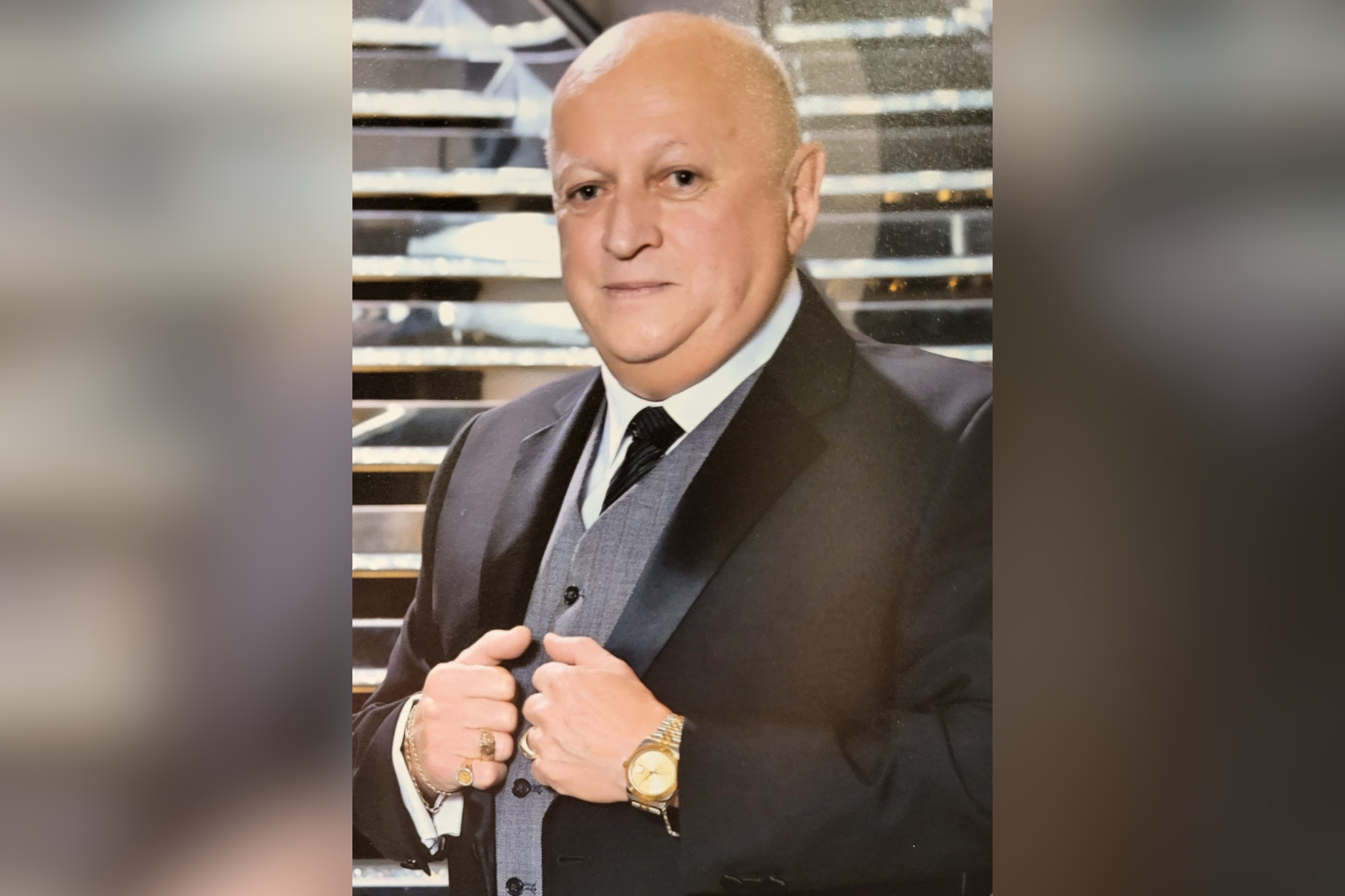
Question 1: On a scale of 1 to 5, to what extent do you believe arts and culture are important for the future of Greater Sudbury?
4 out of 5.
Arts and culture are a real part of what makes Sudbury a place people choose to live, work and build a business. They help us attract and keep talent, support local tourism and give residents a reason to be proud of where they live.
Question 2: Have you ever been or are you currently a board member of an artistic or cultural organization? If so, which one(s)? How did this experience affect you?
I served on the Greater Sudbury Public Library Board. The experience showed me how much a community institution can deliver when it has clear priorities, accountable governance and strong partnerships. It also showed me how far a modest public investment can go when the money is spent carefully.
Question 3: Which Sudbury arts or cultural experience has particularly affected you? Why?
I’ll be honest: I’m not the guy you’ll find at the gallery opening. After 20 years of running a business, most of my evenings are spent on payroll and scheduling. But I see what arts and culture do for this city. Our festivals fill downtown, our venues bring people together, and they are a big reason families and young workers choose to stay in Sudbury. You don’t have to be a regular to know it matters. I’d rather support it well than pretend to be an expert.
Question 4: Which benefits of arts and culture are most important to you? Why?
Three stand out:
● Community pride and connection. Shared events bring neighbours together across every part of the city.
● Economic value. Festivals, venues and creative workers draw visitors, fill downtown businesses and support local jobs.
● Quality of life. A strong arts scene helps us attract and keep families, students and skilled workers.
Question 5: What is your vision for the future of arts and culture in Sudbury?
A city where arts and culture are treated as part of our core quality of life and economic strategy, not an afterthought. That means well used, well run cultural spaces, a healthy mix of English, French and Indigenous voices, a vibrant downtown and strong partnerships between the City, artists, businesses and other levels of government.
Question 6: Do you think municipal funding for Sudbury arts and culture should remain stable, increase or decrease over the next five years? Why?
Stable, with room to grow where results justify it. At roughly 0.12% of the City’s spending, this is already a small line that delivers a lot. I would protect it, make sure every dollar is tracked against clear outcomes, and push for more provincial and federal funding and private partnerships to expand it, rather than leaning on the property tax base.
Question 7: If you are elected, do you pledge to support and vote in favour of increased municipal funding for arts and culture throughout your term?
No, not as a blanket pledge. I support arts and culture and will protect existing funding, but I will not commit in advance to vote for increases on every budget without seeing the numbers, the outcomes and the competing priorities such as roads, water and sewer. I will support increases where the case is clear and the value to taxpayers is demonstrated.
Question 8: What could the City of Greater Sudbury do to help address the cost of participating in cultural activities?
● Work with cultural organizations on free and low cost community days and programs.
● Support fees without barriers for low income residents, including access through City facilities and libraries.
● Pursue senior government funding that specifically lowers ticket prices and expands outreach.
● Make sure City owned spaces are available at reasonable rates for community programming.
Question 9: What should the city do to strengthen Sudbury’s cultural workforce?
● Keep the grant process simple, predictable and timely so artists and organizations can plan.
● Buy local: commission Sudbury artists and creators for City projects, events and public spaces.
● Help artists and cultural workers connect to provincial and federal programs.
● Support training and mentorship through partnerships with Laurentian University,
● Cambrian College and the school boards.
Question 10: What should the City of Greater Sudbury do to better support these cultural spaces and to support access to the arts for everyone?
● Treat cultural spaces as shared community assets and keep them in good repair.
● Provide stable, multi year support where organizations show clear results.
● Improve accessibility, transit access and bilingual service so everyone can take part.
● Promote these venues together as part of a downtown and tourism strategy.
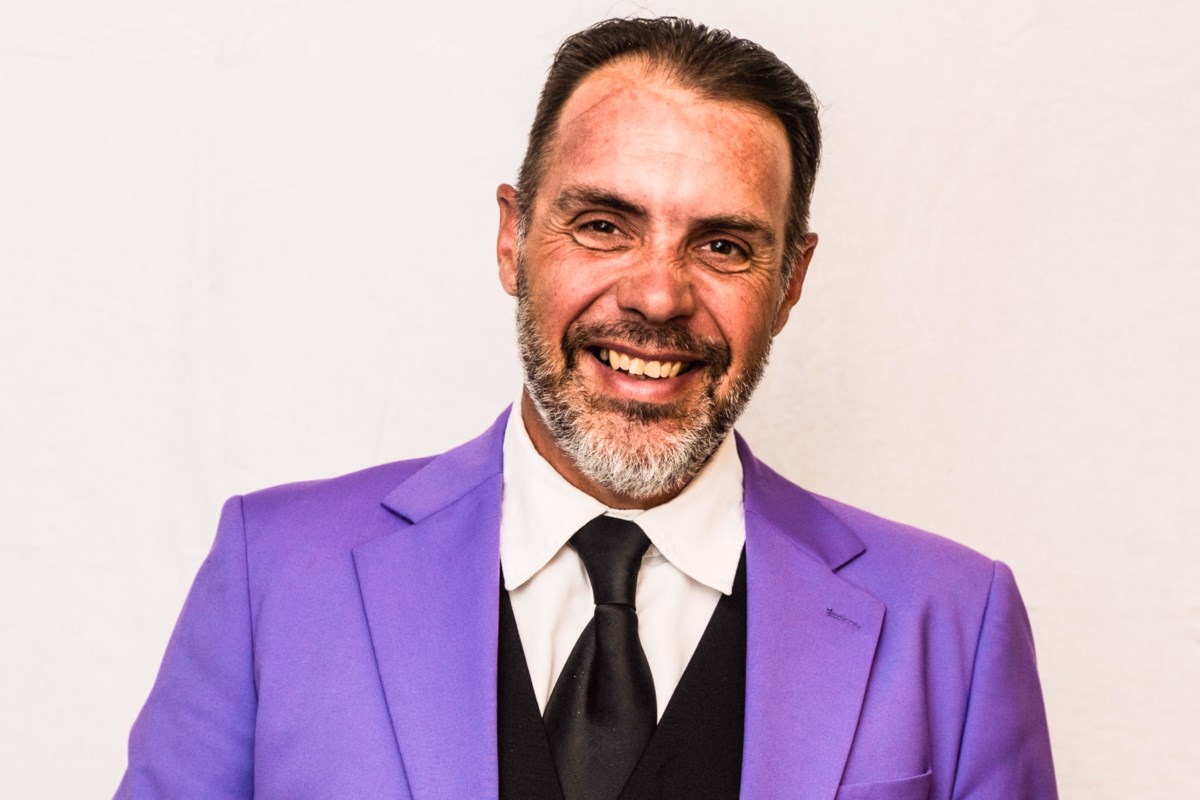
Question 1: On a scale of 1 to 5 (1 being “not at all” and 5 being “absolutely”), to what extent do you believe arts and culture are important for the future of Greater Sudbury?
5
Question 2: Have you ever been or are you currently a board member of an artistic or cultural organization? If so, which one(s)? How did this experience affect you?
I’ve been President of Sudbury Arts Council in 2025 and also in 2006. I had served as President of Theatre Cambrian from 2018 to 2020 prior to the pandemic and I was proud to serve as the founding President of the Sudbury Indie Cinema Co-op. Currently, I am the Pipe Major of the Lockerby Highlanders Band and celebrating my 40th anniversary as a member of the pipe band and Scottish community.
These experiences deepened my appreciation for the arts and my own cultural heritage. They also provided amazing opportunities for personal growth and community connections, helping to shape and strengthen my position as a community leader and builder.
Professionally, I also work in the arts as an entertainment promoter and a permitee with IATSE Local 634 working as a stagehand. In 2016, I led the first Reading Town Sudbury Ville Lecture Festival in partnership with Salon du Livre prior to being hired as the operations manager for the Northern Ontario Railroad Museum and Heritage Centre.
Question 3: Which Sudbury arts or cultural experience has particularly affected you? Why?
There are many, but one of the cultural experiences that particularly stands-out is the first time I attended French Fest when it was in the parking lot near where the Place des Arts is now. I admire the creativity and the “weirdness” that comes from the
Francophone arts community. It is fun, engaging, and totally unpredictable. You just never know what to expect or experience.
At my first French Fest, I recall a performance art piece where theatre performers scaled the exterior walls of SRO on Larch Street. It affected me, because it wasn`t something you would typically expect to see in Sudbury, especially in the anglophone arts community.
Up Here Festival also offers that same creativity and unpredictability, which seems to be a trend in the Francophone scene. It must come from the beer at your evening meetings to get the creative juices flowing.
Question 4: Which benefits of arts and culture are most important to you? Why?
Arts and culture truly do add to the quality of life in our community. It’s gives us a sense of identity and the places around us. It really is what makes us a city for the “creative, curious, and adventuresome.”
Art is also a form of activism, especially in film and live theatre. It provides opportunities to have important conversations on the things that matter in our community and creates a platform for engagement. When I volunteered for City Medicine this summer, I saw that happen first-hand. This play got to the core of homelessness and addictions, by bringing to life stories of residential school survivors, abuse, isolation and trauma. The answers to some of the complex issues we`re facing are as simple as having a conversation with someone in the Blue Door Soup Kitchen. “Nothing about us, without us” is an important line from the show that I learned from Angela Recollet, and other people like Sarah Gartshore and filmmaker Ryan McMahon.
Question 5: What is your vision for the future of arts and culture in Sudbury?
I envision a rich, vibrant arts and culture community in Sudbury that is well supported and sustainable. I value partnerships across all sectors of the Anglophone and Francophone arts community and would like to see a coordinated approach to proactively make sure our arts and cultural organizations thrive, as well as protect our heritage buildings and community cultural assets.
Question 6: In 2026, the Sudbury Arts and Culture Grant Program and municipal operating support grants to certain organizations totaled just over one million dollars (0.12% of the City of Greater Sudbury’s total spending for the year). Do you think municipal funding for Sudbury arts and culture should remain stable, increase or decrease over the next five years? Why?
When I first became President of the Sudbury Arts Council in 2006, I was also a member of the Civic Arts and Cultural Charter Steering Committee. At the time, the grant program was approximately $587,000 and has not increased since then. Although more demands have been placed on the program with an increase in new applicants to the fund, to my knowledge it hasn`t increased since unfortunately.
We need to make annual increases to the fund in line with increasing demand, as well as look for ways that arts organizations can share best practices and help reduce their dependency on the program. It should be seen as a hand-up not a hand-out, because for every $1 invested in the arts, the arts generate $9.41 in economic development and generate $4 or more in earned revenue adding to GDP.
In 2026, city council removed the Civic Arts and Culture Fund from the tax levy and it`s negatively impacted organizations, with Northern Lights Festival Boreal taking a giant hit among others. To make up for it, this year`s funds were dispersed from arts fund reserves, tourism development grants, and the topped by community economic development grants. I would like to see the Fund reinstated and revised to allow for a more streamlined application process, multiple intake periods for smaller project submissions.
Question 7: If you are elected, do you pledge to support and vote in favor of increased municipal funding for arts and culture throughout your term?
Yes
Question 8: In Sudbury and across Canada, participation in cultural activities is often dependent on a person’s or a family’s ability to pay for tickets. What could the City of Greater Sudbury do to help address this issue?
I am aware of some programs through the library as an example where discounted or free tickets are made available to events like the symphony. In the past the Sudbury Arts Council and ROCS used to have a “Passport to the Arts” which would provide opportunities for discounts or a variety of incentives to experience the arts.
The onus is really on the arts organizations individually. Many offer different levels of ticket price, pay-what-you-can, BOGOs etc to help make arts accessible. The organization’s ability to attract donors, sponsors and funders also helps with offsetting operating costs to help make tickets more affordable.
The city, through tourism and communications departments can also provide tools for marketing, professional development, strategic planning etc to help smaller arts organizations look for ways to help make the arts more accessible.
Ward 10 encompasses several cultural assets such as Place des Arts, The Ref, STC, Knox Hall, the new Cultural Hub and Event Centre as well as Bell Park/Grace Hartman Amphitheatre. I would like to advocate for enhancements to Bell Park such as additional washrooms, a band shell, accessible parking, decorative fencing, shade, available power supply, public water and a cover over the amphitheater. These things would better the patron experience and greatly reduce operating costs for non-profit arts organizations and external promoters, helping to make tickets more affordable.
Question 9: Sudbury residents benefit from the talent and hard work of hundreds of artists and cultural workers. What should the city do to strengthen Sudbury’s cultural workforce?
The city needs to work with these arts organizations to create a more sustainable work environment and assist with professional development. Many of the jobs in the arts are not sustainable as they are mainly contract or gig work. For example, even with Economic Development’s film officer working hard to attract production companies and directors towards Sudbury as a shooting location, film workers must find other jobs when projects aren’t in Sudbury.
Things like multi-year funding through the Civic Arts and Culture program will create more predictability, helping to sustain those jobs longer. We need to recognize that jobs in the creative and cultural industries are real jobs and should be seen as such.
The city has hired an external arts consultant from outside Sudbury to develop a plan to work with the community and commission a new public art/monument to recognize individuals in our community who have passed away from overdose. We have many great, dedicated artists and activists in our community, and they would be very capable of doing this work to keep it local. The Crosses for Change have already been a polarizing topic in our city, and it`s almost shameful that an outside artist was hired to make something of such importance to the community.
Through organizations like ArtsVest and the Council for Business and Arts, we do see new partnerships developing between arts organizations and the business community. When possible, the city should have a buy-local policy as part of their procurement process, or public art policy to encourage local art in municipal buildings, offices, streets, parks and playgrounds.
Question 10: Sudbury has a number of vibrant cultural spaces including Place des arts, Galerie du Nouvel-Ontario and Yes Theatre. What should the City of Greater Sudbury do to better support these cultural spaces and to support access to the arts for everyone?
Firstly, the city should recognize these spaces as cultural assets and be less reliant on the hard work being done by arts organizations and their volunteers. We have assets like the Fraser Auditorium at Laurentian University which could serve as Greater Sudbury’s largest performance arts venue. In some communities like Barrie, they have a Department of Arts and Culture that manages the Mady Centre and the auditorium at Georgian College outside of the academic schedule. Through tourism development and community economic development grants, the Fraser could use a major upgrade if the university was open to allowing Sudbury to attract different touring acts. For some of these acts, the arena is simply not the right venue even when they only use half the bowl to create an intimate concert setting.
I had an opportunity to visit the TCU Place Convention Centre in Saskatoon, which is a 104,000 sq ft modern convention center with a 2074-seat theatre. This center is managed by a board of directors with representatives from the arts, municipality and community. Programmed by municipal staff, they attract local productions, international touring artists, Broadway, ballet, musical acts, children’s shows and comedians. They have also hosted the Junos twice. In this scenario, the city’s major event officer, tourism development, convention bureau etc. are working together to ensure the space is always full. I would like something like this for our community, although a shared space for the anglophone arts organizations like Places des Arts or the North Bay Capitol Centre would be a great start.
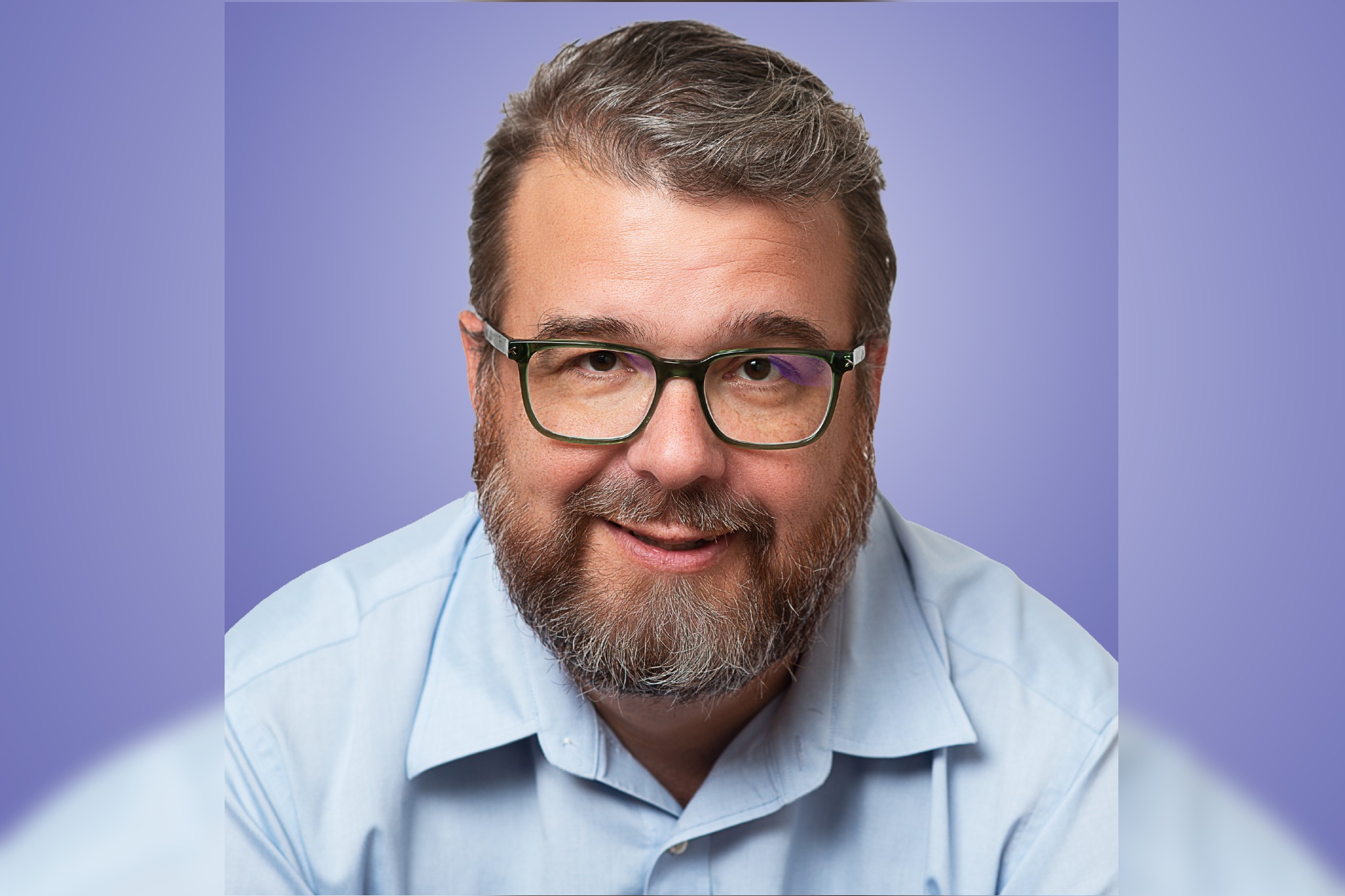
Question 1: On a scale of 1 to 5 (1 being “not at all” and 5 being “absolutely”), to what extent do you believe arts and culture are important for the future of Greater Sudbury?
5
Question 2: Have you ever been or are you currently a board member of an artistic or cultural organization? If so, which one(s)? How did this experience affect you?
Yes I am currently on the Sudbury Symphony Board, as well I was on the Northern Lights Festival Board previously. Sitting on those boards, I’ve seen how much planning depends on predictability of funding. A strong baseline gives arts organizations the ability to take the kinds of creative risks that attract audiences, and then larger sponsors. The vast majority of those dollars stay local, supporting a sector of our population highly likely to respend their dollars locally.
Question 3: Which Sudbury arts or cultural experience has particularly affected you? Why?
I had the chance to support 2V+ in their local shows, and to see what is possible when members of our community are able to put together the resources needed to produce a professional product. It was amazing to see people’s shock when they found out the show was produced locally, and to watch them grow the production since.
The show really demonstrated that the talent exists here. It takes people willing to take a risk and come together to scale it.
Question 4: Which benefits of arts and culture are most important to you? Why?
We need a city that is attractive to live in for everyone. That includes a vibrant arts and entertainment scene showcasing local, regional, national and international talent.
It’s about the quality of life of local residents. It’s also about our youth who are drawn to the arts, seeing a city that supports them the way it supports those drawn to sports.
Growing up in Sudbury should be a positive experience, one that makes them want to return after post-secondary.
Question 5: What is your vision for the future of arts and culture in Sudbury?
A quick drive around Sudbury and you’ll notice a lot of skinny trees, the result of a lot of work by locals. You’ll also notice the rare substantial tree that grew despite Sudbury’s rocky environmental history.
It took the collective effort of Sudbury to create the fertile ground that is allowing the regrowth of our forests.
Our local arts scene reminds me of our environmental recovery. We have some tall tree success stories, like YES Theatre, and recent structural investments like Place des Arts and Knox Hall have given a ready garden. Now we need to make what is really a small investment, for the large payback, in making sure the ground is fertile so the scene as a whole can grow.
We have so many burgeoning successes. We need to make sure the support is there so it can grow into a sustainable part of the community.
Question 6: In 2026, the Sudbury Arts and Culture Grant Program and municipal operating support grants to certain organizations totaled just over one million dollars (0.12% of the City of Greater Sudbury’s total spending for the year). Do you think municipal funding for Sudbury arts and culture should remain stable, increase or decrease over the next five years? Why?
Increase. Too many organizations are struggling to find funding.
For the cost of three cups of coffee a year per household, we could double what this city puts into arts and culture. And not the fancy stuff. Straight up black diner coffee.
Beyond funding, predictability is extremely important. We need to be a better partner, with clear funding communication.
Question 7: If you are elected, do you pledge to support and vote in favor of increased municipal funding for arts and culture throughout your term?
Yes
Question 8: In Sudbury and across Canada, participation in cultural activities is often dependent on a person’s or a family’s ability to pay for tickets. What could the City of Greater Sudbury do to help address this issue?
I would like to explore the option of an arts pass that would give people a taste of the amazing diversity of arts in Sudbury. Many tourism organizations use these kinds of passes to allow both locals and tourists to get a tasting menu of what a city has to offer.
Selling these passes would give new revenue to organizations by introducing new audiences. With the ability to reach a wider audience without a marketing spend, they can generally offer their seats at a discount.
The program would hold a portion of the revenue from these tickets to work with community organizations in the distribution of additional passes to people short on the means to pay, giving them the opportunity to experience the same great shows, using a ticket designed for general audiences.
Question 9: Sudbury residents benefit from the talent and hard work of hundreds of artists and cultural workers. What should the city do to strengthen Sudbury’s cultural workforce?
We need to be predictable as a partner. Overall funding needs to be announced and committed to long in advance, so that organizations have the ability to plan and develop the kind of programming that Sudburians want to see and experience.
The payback of a strong arts sector isn’t always easy to put your finger on, but the cities with one tend to thrive. Few people point to the arts as a reason for why they chose the city they live in, but those experiences, or lack of them, are often the reason people start looking to change where they live.
It’s part of providing a strong quality of life for citizens, and a city with a strong quality of life tends to attract more citizens sharing the burden of all of its many costs.
Question 10: Sudbury has a number of vibrant cultural spaces including Place des arts, Galerie du Nouvel-Ontario and Yes Theatre. What should the City of Greater Sudbury do to better support these cultural spaces and to support access to the arts for everyone?
Cultural spaces need predictability in funding, as do the organizations looking to book those spaces.
We need to be a better partner. We need to be upfront with what we can and can’t offer early, so that those venues and the organizations that utilize them can properly plan and develop programming that will return not only the revenues they need but the level of programming that our community deserves.
Nous appelons les candidats à partager leur vision d’avenir pour les arts et la culture à Sudbury et à s’engager à pérenniser et bonifier les investissements municipaux en appui à ce secteur névralgique.
Le Regroupement des organismes culturels de Sudbury (ROCS), c’est :
Contact médias :
Priscilla Pilon, coordonnatrice des communications, Théâtre du Nouvel-Ontario
communications@letno.ca ou 705-525-5606, poste 1803
Thomas Hellman se joint à nous le 14 octobre 2023 à 20 h dans Le Studio Desjardins de la Place des Arts. Né d’un père texan et d’une mère française, Thomas possède la langue et l’héri...
Consultez le blogue
L’Ordre de Jacques-Cartier, surnommé « la Patente », est fondé le 22 octobre 1926 à Eastview, aujourd’hui le quartier Vanier, à Ottawa. Parmi ses fondateurs figurent le curé François-Xavie...
Consultez le blogue
Sarah était à la recherche d’un stage Coop qui lui permettrait de mettre en valeur ses compétences artistiques et ses talents. Lorsqu’elle a découvert les camps d’été thématiques du Carre...
Consultez le blogue
Ange Koffi Kouadio nous a partagé son témoignage en tant qu’animateur aux Camps d’été 2025 du Carrefour francophone au site de Boréal. Découvrez son compte-rendu, non seulement sur s...
Consultez le blogue
L’automne est déjà bien avancé, les températures descendent progressivement, mais cela ne nous empêche pas de profiter de la nature et de continuer à développer le projet CPE forêt dans les ...
Consultez le blogue